Underground Cable Fault Location - Methods and Equipment Selection Guide
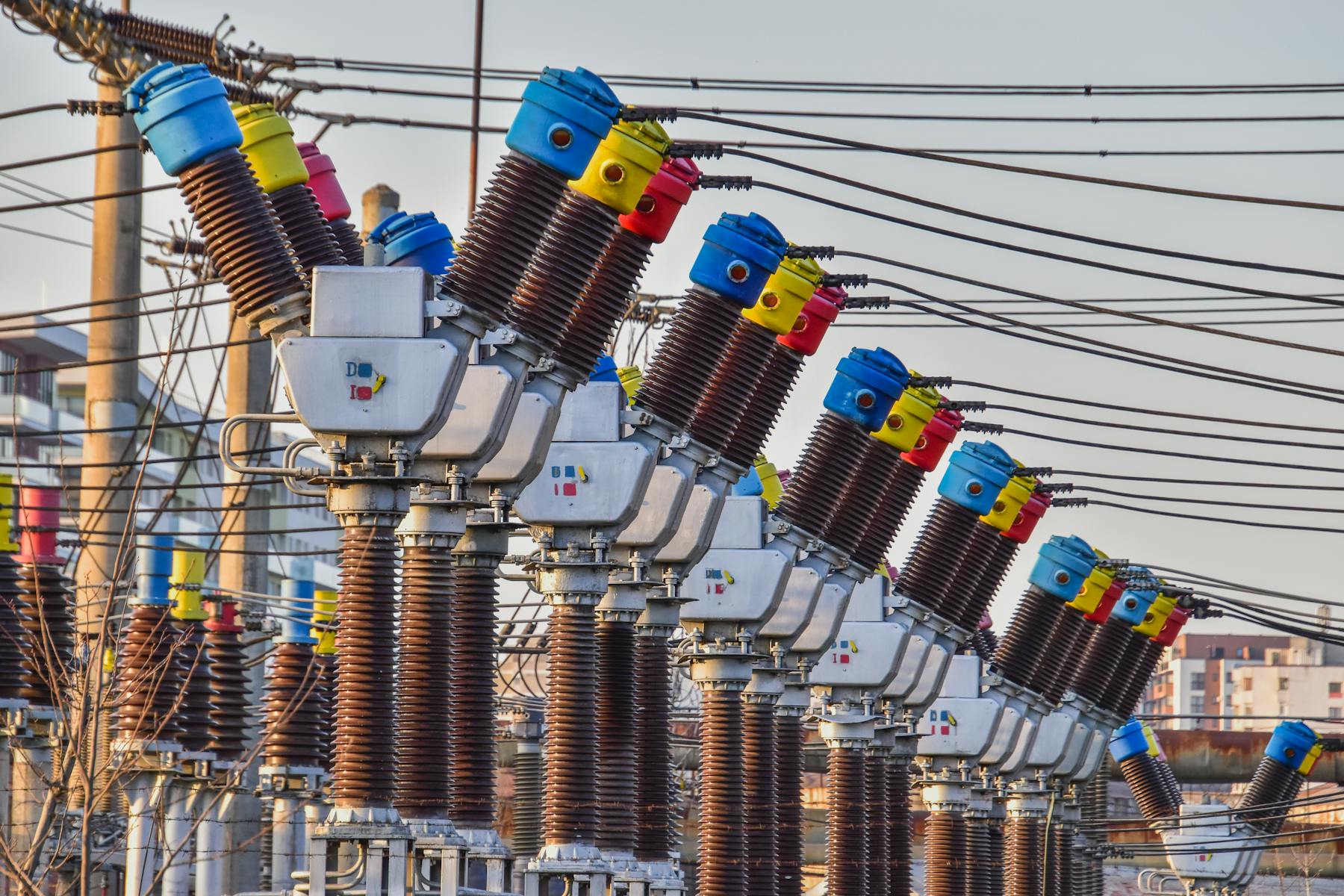
Cable fault location is most accurate when engineers match the method to the fault type, cable length, access points, and site constraints. TDR, bridge, surge, and acoustic electromagnetic methods answer different parts of the same field problem and RFQ scope.
Direct answer
Cable fault location is most accurate when engineers match the method to the fault type, cable length, access points, and site constraints. TDR, bridge, surge, and acoustic electromagnetic methods answer different parts of the same field problem and RFQ scope.
Which cable fault location method should engineers choose?
Cable fault location should begin with fault type, cable route, voltage class, length, sheath condition, and access at both ends. TDR gives distance clues, bridge methods suit resistive faults, surge methods help high-resistance breakdowns, and acoustic electromagnetic location narrows the final point on site.
Method comparison
| Method | Principle | Best fit | Accuracy and cost note |
|---|---|---|---|
| TDR | Sends a pulse and reads reflections | Open circuits, shorts, impedance changes | Fast and low operating cost; difficult for some high-resistance faults |
| Murray bridge | Balances resistance through a sound conductor | Low-resistance or sheath faults with a good return core | Good distance estimate; needs cable data and access |
| Surge or impulse | Applies high-voltage pulses to break down fault path | High-resistance insulation faults | Useful but requires safety control and trained operators |
| Acoustic electromagnetic | Listens for discharge sound and traces magnetic pulse | Pinpointing after pre-location | Field accuracy depends on surface noise, depth, and route access |
Most projects use more than one method. A team may run TDR first, apply a bridge test if the fault is resistive, then use surge and acoustic electromagnetic pinpointing for the final excavation point. Hongzhe's high voltage test equipment category is the live sourcing page for related cable and insulation test equipment.
TDR
Time domain reflectometry is fast and non-destructive. It sends a low-voltage pulse into the cable and measures reflections from impedance changes. Engineers need cable velocity factor, route length, joint positions, termination status, and a clean connection. TDR is useful for open circuits, short circuits, and some joint issues, but it may not show a high-resistance insulation fault before breakdown.
TDR equipment is usually lower cost than high-voltage fault location sets, but interpretation still needs experience. A wrong velocity factor or unrecorded joint can produce a confident but wrong distance.
Bridge methods
Murray bridge and related bridge methods compare resistance in a faulted conductor against a sound conductor. They work best when the cable has a good return path and the fault resistance is suitable for measurement. The buyer should provide conductor material, cross section, cable length, number of cores, and whether both ends are accessible.
Bridge methods can be accurate for certain sheath and low-resistance faults. They are less suitable when the fault is intermittent, very high resistance, or when no sound conductor is available.
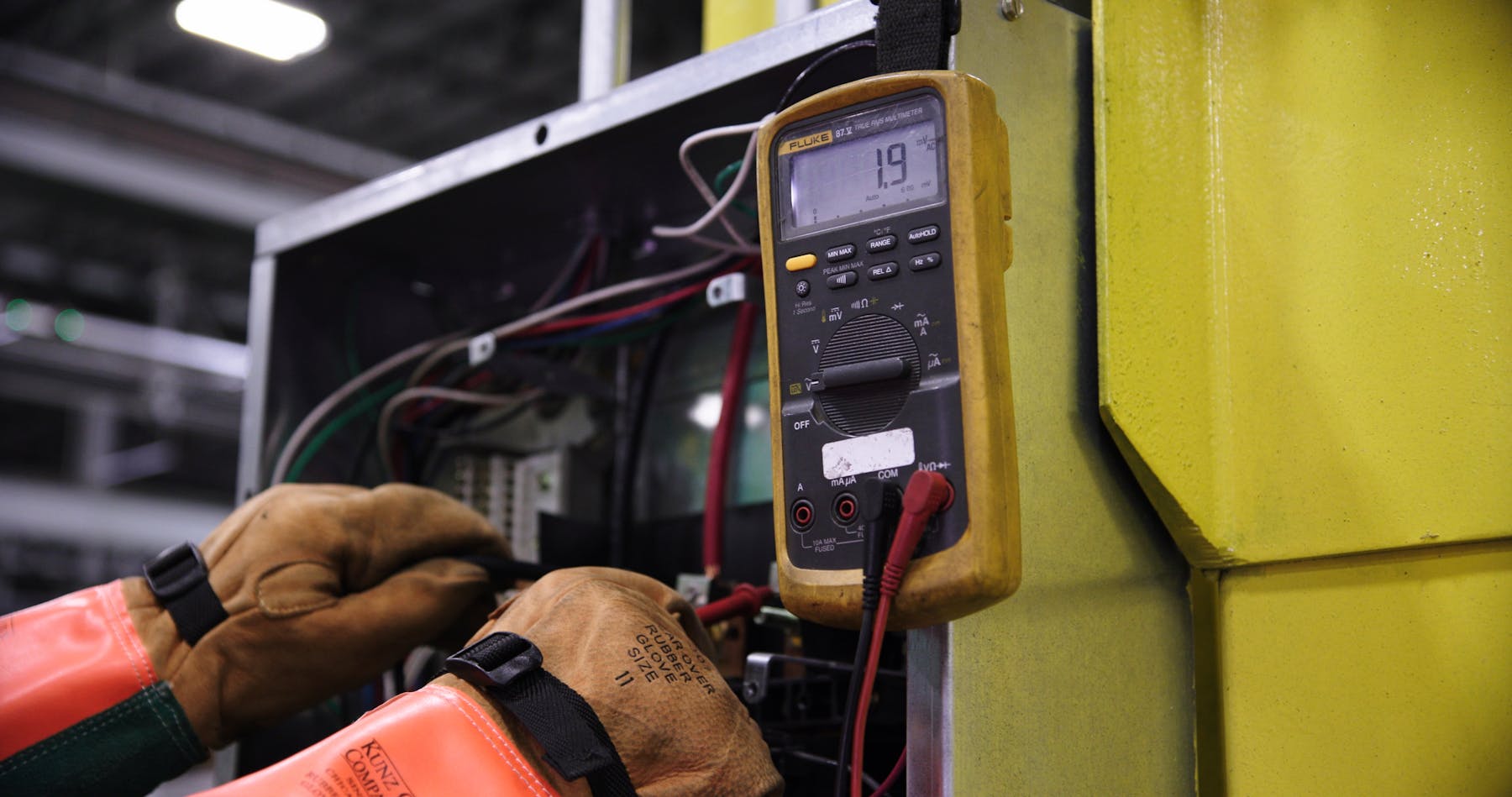
Surge and acoustic electromagnetic pinpointing
Surge generators apply a controlled high-voltage impulse so a high-resistance fault breaks down and creates a sound and electromagnetic pulse. A receiver then helps locate the point along the route. This method is powerful for underground cable faults that do not appear clearly on TDR, but it requires strict safety, discharge procedures, cable isolation, and operator training.
Acoustic electromagnetic pinpointing is a final-location method, not a full diagnosis by itself. Soil type, cable depth, pavement, traffic noise, and route access can affect the field result. For sensitive sites, teams should compare lower-energy options and confirm whether repeated surging is acceptable.
Equipment selection
Buyers should define voltage class, cable type, length, conductor size, fault type if known, access to both ends, route map availability, desired accuracy, site surface, and power supply. A basic service team may need TDR plus a bridge tester. A utility or service contractor may need a complete set with surge generator, acoustic receiver, safety discharge tools, and reporting software.
If the same maintenance program includes cable after-laying tests or insulation diagnosis, connect the RFQ with the transformer and cable manufacturer use case and the test laboratories use case to define repeatable documentation.
FAQ
Is TDR enough for underground cable fault location?
TDR is a strong first method, but it is not enough for every fault. High-resistance, intermittent, or wet insulation faults may need surge, bridge, or acoustic electromagnetic methods.
Which method gives the best accuracy?
Accuracy depends on cable data, fault type, access, route records, and field conditions. Pre-location gives distance, while acoustic electromagnetic methods often support final pinpointing.
What should be included in a cable fault locator RFQ?
Include voltage class, cable length, conductor size, insulation type, known symptoms, both-end access, route map, required safety accessories, and report format.
Request a quote - include cable voltage class, length, fault symptoms, route access, desired accuracy, and site safety requirements.