Transformer Oil Testing - Key Methods and Equipment Buyers Need to Know
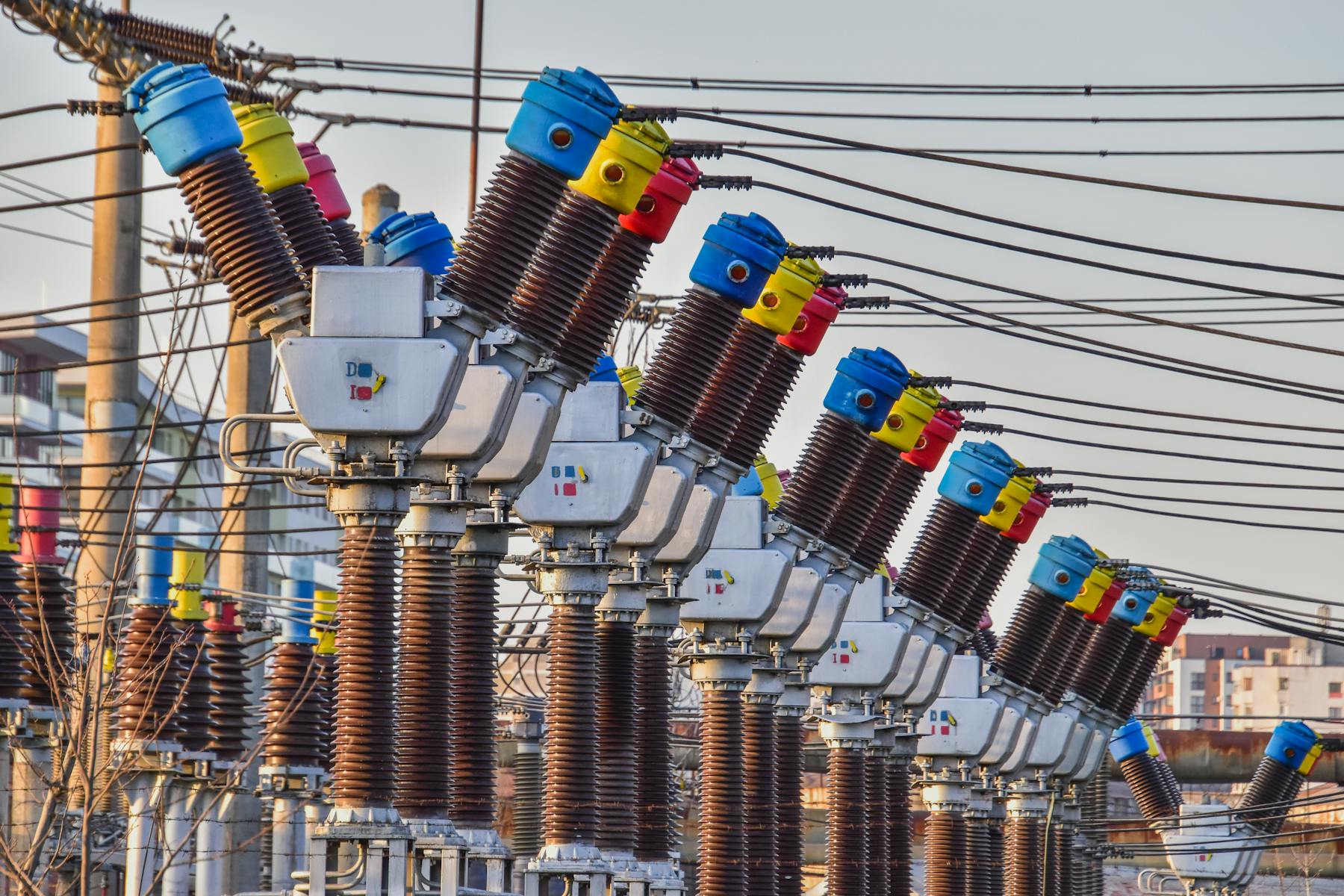
Transformer oil testing helps buyers separate routine insulation checks from deeper diagnostics. BDV, DGA, moisture, and acidity each answer a different question, so equipment selection should match asset voltage, lab workflow, sampling discipline, maintenance risk, reporting needs, and field reports.
Direct answer
Transformer oil testing helps buyers separate routine insulation checks from deeper diagnostics. BDV, DGA, moisture, and acidity each answer a different question, so equipment selection should match asset voltage, lab workflow, sampling discipline, maintenance risk, reporting needs, and field reports.
Which transformer oil tests should buyers plan first?
Transformer oil testing starts with the maintenance question. BDV checks dielectric withstand, DGA looks for fault gases, moisture shows water risk in oil and paper, and acidity tracks oxidation. A practical buyer selects instruments and lab workflow around these separate signals instead of treating one test as a full diagnosis.
Method comparison
Oil is both an insulating medium and a cooling medium. When it ages or becomes contaminated, it can lose dielectric strength, carry moisture, form acids, and hold gases from overheating or electrical faults. The four common methods below answer different questions.
| Test method | What it reveals | Typical buyer need | Equipment note |
|---|---|---|---|
| BDV test | Breakdown voltage of oil gap | Fast insulation quality check | Automatic cup, electrode gap, stirrer, test sequence |
| DGA | Dissolved hydrogen, methane, ethylene, acetylene, CO, CO2 and other gases | Fault type and trend diagnosis | Gas extraction, chromatograph or service lab workflow |
| Moisture content | Water in oil, often ppm | Dryness risk and paper aging support | Karl Fischer or moisture analyzer |
| Acidity | Neutralization value | Oil oxidation and service aging | Titration set or lab analysis |
BDV is often the first field or workshop test because it is fast and directly tied to dielectric withstand. A low value can indicate water, particles, oxidation products, or poor handling. It does not identify the exact cause, so pair it with moisture, acidity, and visual inspection when the result is poor. Hongzhe's transformer testing category and transformer testing commissioning solution are the closest live resources for sourcing transformer diagnostic equipment.
BDV testing
A BDV tester applies increasing AC voltage across an oil sample until breakdown occurs. Buyers should compare voltage range, electrode shape, gap setting, cup capacity, automatic stirring, test sequence, printer or USB export, safety interlock, and calibration support. Field teams should also ask about sample bottles, oil cup cleaning, electrode polishing, and test standard settings.
BDV frequency depends on asset criticality and oil handling. A practical plan is to test after filling, before energization, after maintenance that exposes oil, after abnormal alarms, and during scheduled transformer health checks. For critical units, trend the value with moisture, DGA, temperature, and loading history rather than reading a single number in isolation.
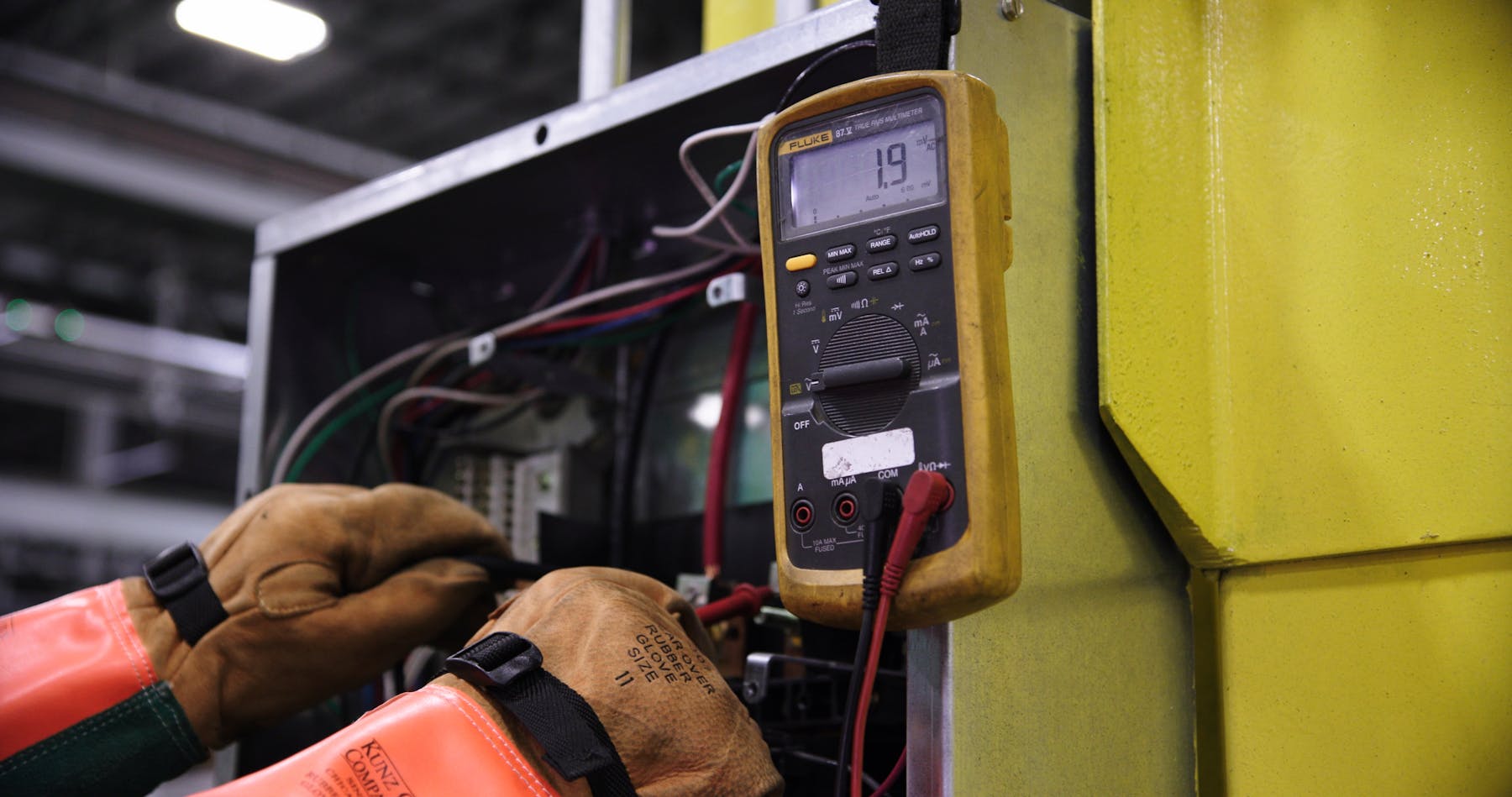
DGA, moisture, and acidity
DGA is the main oil test for fault interpretation. Hydrogen and methane may suggest low energy discharge or overheating, acetylene is associated with arcing, and carbon monoxide can point to paper insulation stress. Exact interpretation needs the utility method, gas trend, transformer type, load, and oil history.
Moisture testing matters because water reduces dielectric strength and accelerates paper insulation aging. Karl Fischer titration is common in laboratories; portable moisture meters may support field screening when controlled sampling is possible. Acidity testing tracks oxidation and oil aging. Rising acidity can point to sludge formation, paper stress, and the need for oil treatment review.
Equipment selection
Buyers should separate field instruments from laboratory instruments. A portable BDV tester may suit maintenance crews, service contractors, and commissioning teams. DGA is usually planned as a lab or online-monitoring project. Moisture and acidity tests need sampling discipline, consumables, calibration, and trained operators.
When issuing an RFQ, include transformer voltage, capacity, oil type, test standard, expected samples per month, power supply, data export needs, spare oil cups, consumables, calibration documents, and language of manuals. If the same program includes insulation diagnosis beyond oil, connect it with the high voltage test equipment category.
FAQ
Does a high BDV value prove transformer oil is healthy?
No. High BDV is useful, but it does not replace DGA, moisture, acidity, visual checks, or transformer operating history. It only shows that the sampled oil withstands the test gap under the selected method.
How often should transformer oil be tested?
Frequency depends on asset criticality, age, loading, past results, and utility policy. Commissioning, post-maintenance, annual checks, and abnormal-event testing are common triggers.
What should a buyer ask for with a BDV tester?
Ask for voltage range, standards supported, oil cup type, electrode gap control, automatic sequence, safety interlock, data export, calibration support, spare parts, and packing for export.
Request a quote - include transformer rating, oil test methods required, sample volume, standard, power supply, and documentation needs.